
Cooking technique · Happy Yumi · 4 min
How to Cook Meat So It Stays Juicy
Juicy meat is not luck: it is controlled internal temperature, resting, and cut choice. The goal is keeping moisture inside fibers, not squeezing it out with excessive heat or cutting too soon.
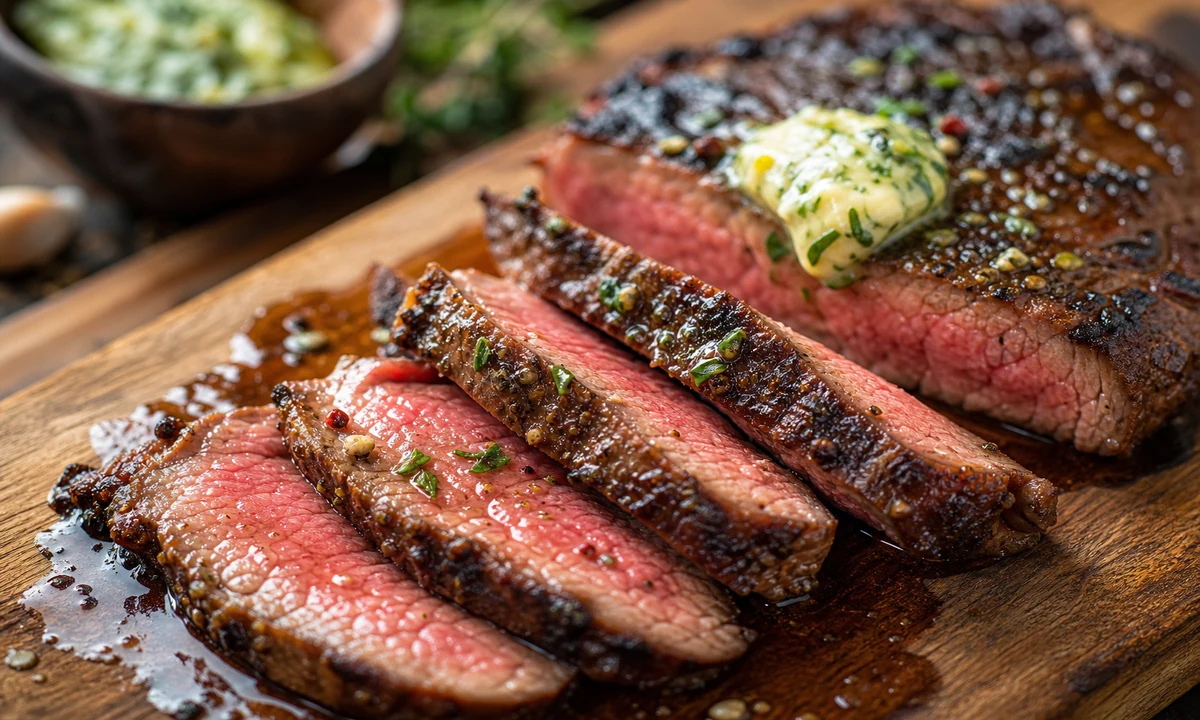
Internal temperature and rest
Each protein has an ideal range: medium-rare beef around 52–55 °C; safe chicken, 74 °C in the thickest part. A probe thermometer is the most reliable home tool.
After cooking, rest thick cuts 5–15 minutes lightly tented. Fibers relax and juices redistribute; if you cut immediately, they run onto the board.
- Thermometer in thickest zone.
- Rest 5–15 min on large pieces.
- Do not slice right off heat.
Sear and finish
Sear over high heat in pan or griddle for Maillard, then finish in oven if the piece is thick. The reverse —oven first, pan at the end— also works for even roasts with a final crust.
Do not poke meat repeatedly: each hole loses juice. Use tongs, not a fork, to turn.
Cuts and methods
Thin steaks: hot pan, few minutes per side. Ribs and chuck: low slow or braise until collagen softens. Chicken breast: sear and finish medium or in oven so the outside does not dry before the center.
Dry salt 30–60 minutes ahead on thick cuts improves texture and browning by removing surface moisture.
- Thin: quick pan.
- Tough: low and slow.
- Optional dry salt on thick cuts.
Mistakes that dry meat
High heat all the way on thick pieces burns outside and leaves center raw or then overcooked. Cutting without rest. Cooking straight from fridge without tempering increases dry-heat exposure.
Take meat out of cold 20–30 minutes ahead when time allows.
Editorially reviewed article · Happy Yumi · ZBMProject