
Cooking technique · Happy Yumi · 4 min
How to Make Perfect Poached Eggs
A poached egg — firm white and runny yolk — intimidates many cooks, but with water at the right point, a splash of vinegar, and a little practice it becomes an elegant breakfast or the perfect garnish for salads and toast.
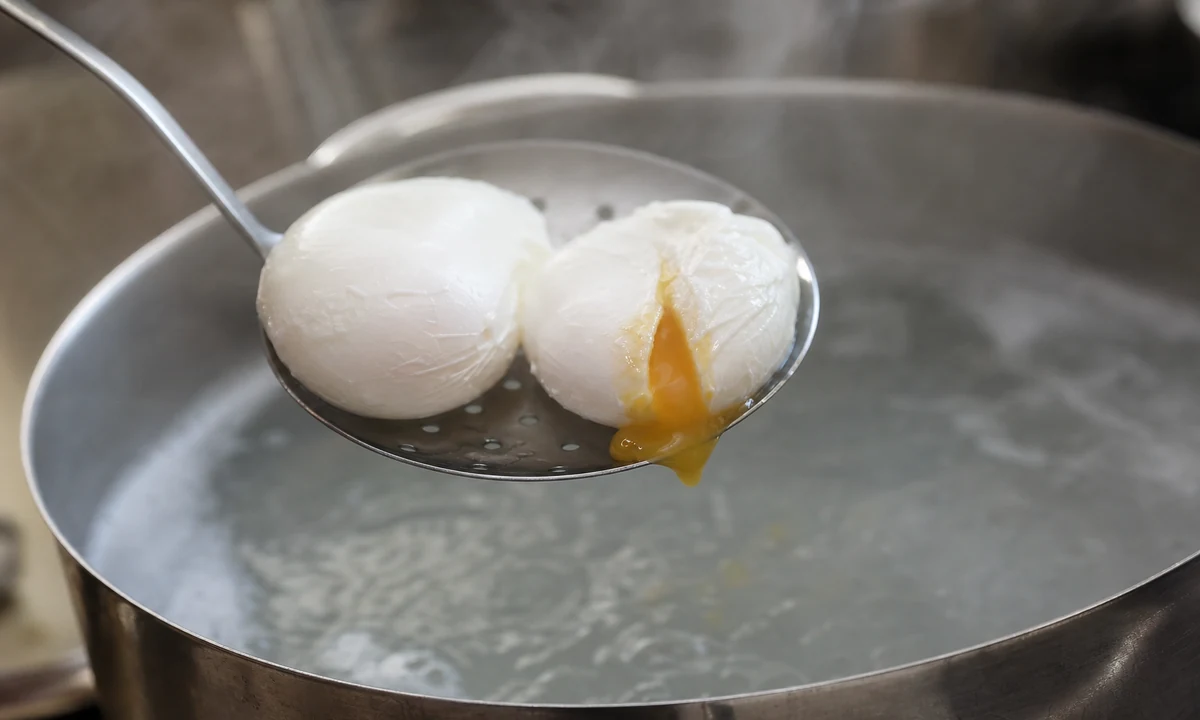
Why poaching works
Water just below a boil — with small bubbles at the bottom — cooks the white without turning it rubbery. Vinegar helps surface protein coagulate faster, holding the shape.
Very fresh eggs are key: the white is tighter and wraps the yolk better. If eggs are several days old, strain the white through a fine sieve to remove the watery part.
Preparing the water and egg
Fill a wide saucepan with at least 8 cm of water. Bring to a gentle boil and lower heat until only small bubbles appear. Add one tablespoon of white vinegar per liter of water.
Crack each egg into a small individual bowl. That way you avoid dropping a broken egg into the water and can slide it in with control. Have paper towels ready to dry before serving.
- Water at least 8 cm deep.
- White vinegar: 1 tablespoon per liter.
- Very fresh eggs or strained whites.
Step-by-step cooking technique
With a spoon, create a gentle swirl in the water — optional, it helps wrap the white — and slide the egg into the center. Do not boil vigorously: it will break the white.
Cook 3–4 minutes for a runny yolk; 5 minutes for a creamier yolk. Lift with a slotted spoon, drain a few seconds, and rest on paper towels. Repeat one at a time or cook two at once in a large pot.
Tips and variations
You can poach ahead: after cooking, plunge in ice water, refrigerate up to 24 hours, and reheat 1 minute in hot — not boiling — water before serving.
For brunch with many guests, use floating silicone molds in the water or crack the egg into tied plastic wrap — the "bag poach" method — for perfect shapes and batch cooking.
- Runny yolk: 3–4 minutes cooking.
- Creamy yolk: 5 minutes.
- Reheat in hot water, never boiling.
Editorially reviewed article · Happy Yumi · ZBMProject