
An ancient Filipino dish characterized by its distinctive sour flavor, sinigang is one of the most beloved and representative dishes of Filipino cuisine, with variants depending on the sour fruit used.
Asian
Sinigang
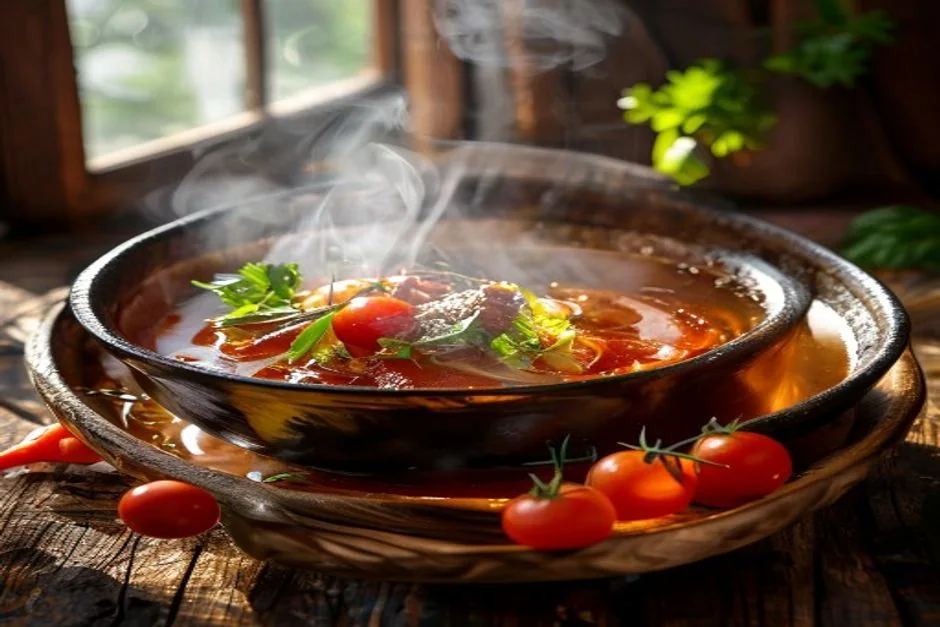
Traditional Filipino Sinigang - Sour Tamarind Soup with Pork, Authentic Step by Step Recipe.
- Philippines
- MAIN COURSES
- Light
- High protein
- easy
20 min
Tiempo de Preparación
6
Servings
Nutrición por ración
- Calories 320 kcal
- Protein 22 g
- Carbohydrates 18 g
- Fat 18 g
Story behind the dish
Preparation
Sinigang is a Philippine preparation with easy difficulty. Reserve about 55 minutes in total (20 for mise en place and preparation, 35 for cooking). Follow the 6 phases in order: each step indicates what to do, what to observe and, when applicable, the time or level of fire.
Before you start
- Have ready: 600 g of pork ribs or shrimp.
- Have ready: 4 tomatoes.
- Have ready: 1 onion.
- Have ready: 200 g fresh tamarind (or tamarind paste).
- Have ready: 1 daikon radish.
- Salt, oil and spices measured and within reach.
- Clean utensils, board and clear work surface.
-
Cook the meat in plenty of water until tender.
Cook the meat in plenty of water until tender, removing impurities from the surface. Go slowly and confirm texture, aroma and color before moving to the next step. Go slowly and confirm texture, aroma and color before moving to the next step.
Go slowly and confirm texture, aroma and color before moving to the next step.
-
Add the chopped onion and tomato
Add the chopped onion and tomato, cook for 10 more minutes. Go slowly and confirm texture, aroma and color before moving to the next step. Go slowly and confirm texture, aroma and color before moving to the next step.
Go slowly and confirm texture, aroma and color before moving to the next step.
-
Cook the fresh tamarind separately until softened.
Cook the fresh tamarind separately until it softens, mash and strain to extract the acidic pulp, add it to the broth. Go slowly and confirm texture, aroma and color before moving to the next step. Watch the exact point indicated; An extra minute can alter the result. Go slowly and confirm texture, aroma and color before moving to the next step. Watch the exact point indicated; An extra minute can alter the result.
Go slowly and confirm texture, aroma and color before moving to the next step.
-
Add the radish and eggplant in pieces
Add the radish and eggplant in pieces, cook for 10 minutes. Go slowly and confirm texture, aroma and color before moving to the next step. Go slowly and confirm texture, aroma and color before moving to the next step.
Go slowly and confirm texture, aroma and color before moving to the next step.
-
Add the long beans and Chinese cabbage for the last 5 minutes.
Add the long beans and bok choy for the last 5 minutes. Go slowly and confirm texture, aroma and color before moving to the next step. Go slowly and confirm texture, aroma and color before moving to the next step.
Go slowly and confirm texture, aroma and color before moving to the next step.
-
Add whole green chilli
Add whole green chilli, adjust the salt (slightly salty and very acidic) and serve with white rice. Serve on a preheated plate or platter if the dish must maintain temperature. Serve on a preheated plate or platter if the dish must maintain temperature.
Serve on a preheated plate or platter if the dish must maintain temperature.
Chef's tips
- Acid balance is the hallmark of sinigang, adjust the tamarind until a pronounced acidity is achieved.
- Add the vegetables in the correct order according to their cooking time so that none are overcooked.
Variations
- Sinigang na Hipon (with prawns).
- Version with green guava instead of tamarind (sinigang sa bayabas).
Community
Kitchen conversations
Share how it turned out, ask questions, or reply to other cooks.
Be the first to share your experience with this recipe.