
Cooking fundamentals
 01
01How to Chop Onion Without Crying: Methods That Actually Work
Chopping onion without tearing up seems like a TV-chef superpower, but it comes down to chemistry and technique. Sulfur compounds that irritate…
4 minRead guide 02
02Knife Cuts Every Beginner Should Know
Chopping is not just dividing food: cut size and shape determine cooking time, final texture, and how flavors distribute. Knowing basic cuts…
4 minRead guide 03
03How to Sharpen a Knife Correctly at Home
A sharp knife is safer than a dull one: it cuts with less pressure and wanders less. Sharpening at home does not…
4 minRead guide 04
04How to Hold a Knife to Cut Faster and Safely
How you grip the knife and guide hand defines speed, precision, and cut risk. Professionals use grips that feel awkward at first…
4 minStart reading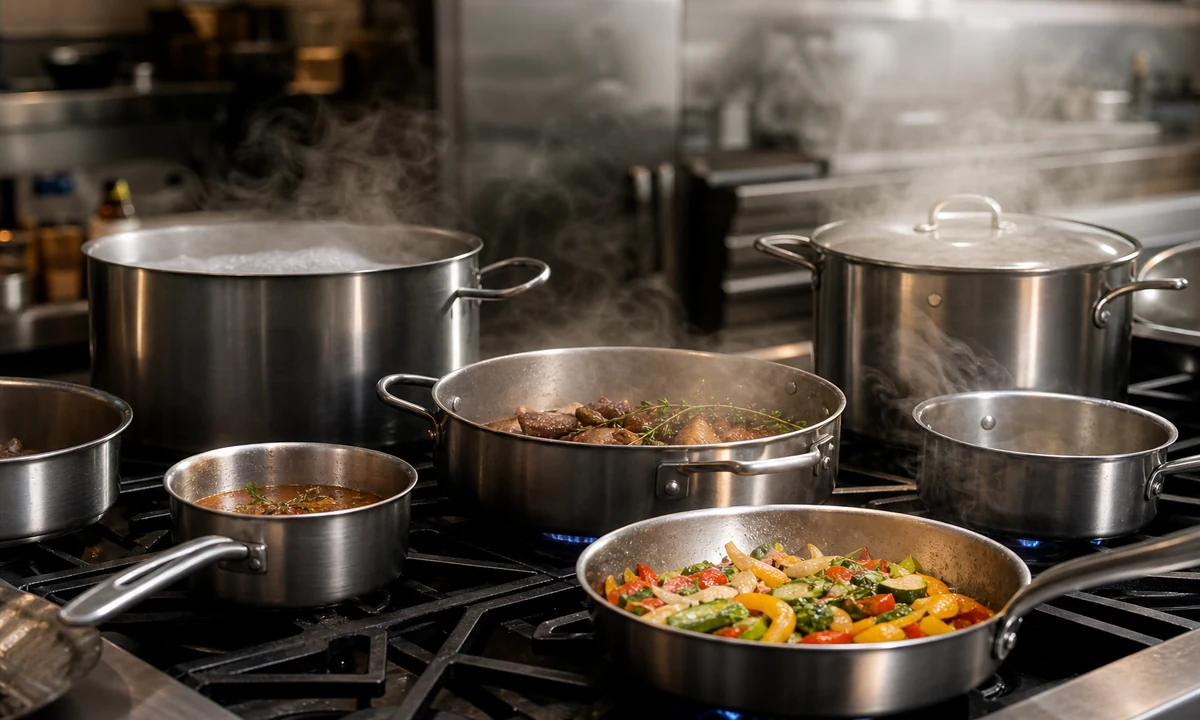 05
05Basic Cooking Techniques Explained Simply
Boiling, sautéing, baking, braising, and steaming are the five pillars of almost any recipe. Understanding what each method does to food —temperature,…
4 minStart reading 06
06How to Sweat Onions Correctly: The Secret Behind Many Recipes
Soffritto is the aromatic base of countless Mediterranean and Latin dishes. It is not simply frying onion: it is slow cooking so…
4 minStart reading 07
07How to Cook Pasta Like in Italy
Well-made Italian pasta is al dente, lightly seasoned inside, and bound to the sauce, not floating in oil or stuck in a…
4 minStart reading 08
08Perfect Rice: Techniques by Rice Type
Not all rice cooks the same: bomba for paella, jasmine for curry, and arborio for risotto need different liquid, time, and handling.…
4 minStart reading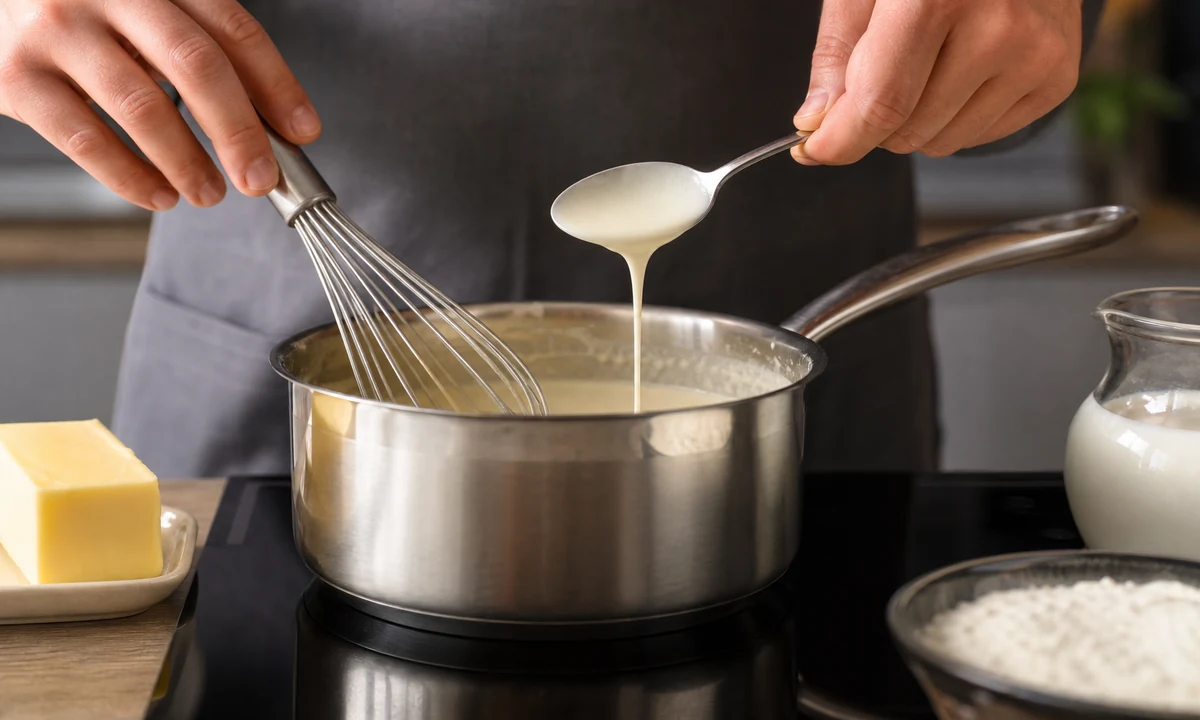 09
09How to Thicken a Sauce Without Altering Flavor
A sauce that is too thin weakens the dish; thickening it wrong leaves raw flour taste or gelatinous texture. The key is…
4 minStart reading 10
10How to Deglaze a Pan for Flavorful Sauces
Deglazing recovers caramelized juices stuck to the pan after browning meat or vegetables. That fond is concentrated flavor; dissolving it in liquid…
4 minStart reading 11
11The Maillard Reaction: Why Food Browns and Tastes Better
The sear on a steak, bread crust, or roast edges is not random: much of that deep flavor comes from the Maillard…
4 minStart reading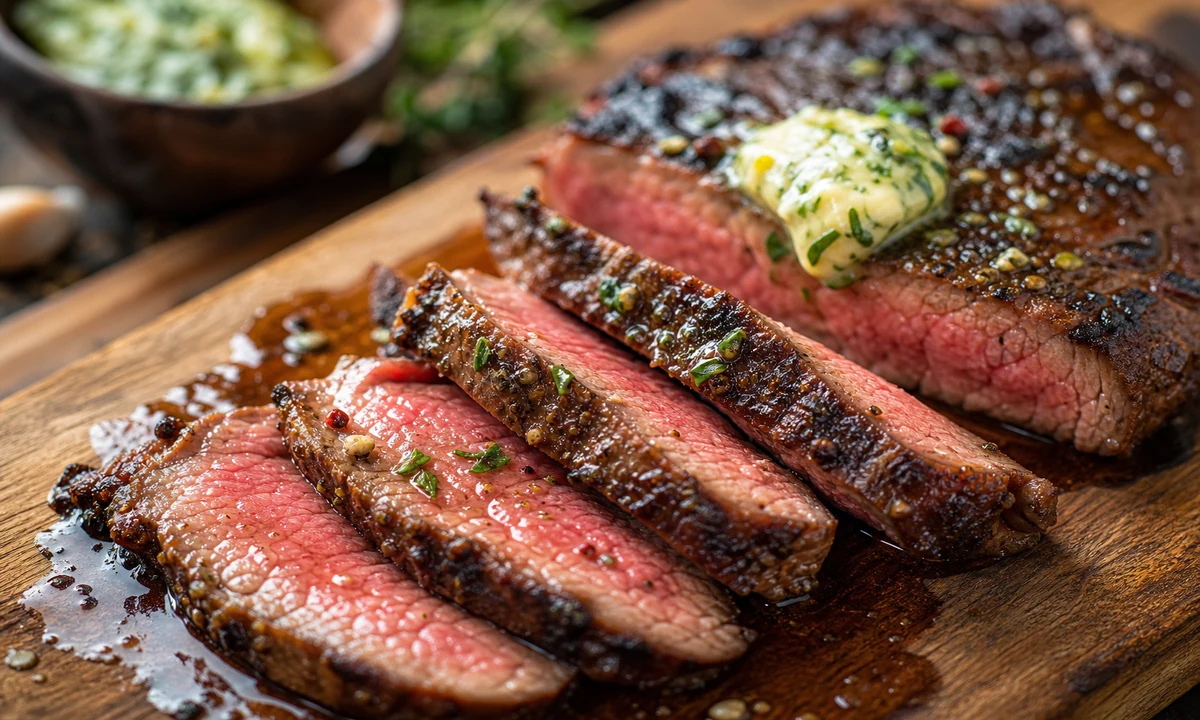 12
12How to Cook Meat So It Stays Juicy
Juicy meat is not luck: it is controlled internal temperature, resting, and cut choice. The goal is keeping moisture inside fibers, not…
4 minStart reading 13
13How to Cook Vegetables to Keep Flavor and Nutrients
Vegetables lose color, crunch, and vitamins when overcooked or in too much water. The goal is not always raw: it is choosing…
4 minStart reading 14
14How to Whip Egg Whites to Stiff Peaks Without Failing
Whipped whites add air to cakes, soufflés, and meringues. Success depends on zero fat, a clean bowl, and controlling the stage: soft…
4 minStart reading 15
15How to Emulsify a Vinaigrette or Homemade Mayonnaise
An emulsion binds two liquids that do not mix —oil and water or vinegar— into a stable sauce. Vinaigrette is temporary emulsion;…
4 minStart reading 16
16How to Organize Mise en Place Before Cooking
Mise en place —everything in its place— turns cooking from a race against the clock into ordered work. Reading, measuring, chopping, and…
4 minStart reading 17
17How to Control Temperature When Cooking
Temperature decides whether meat stays juicy, sugar caramelizes, or butter burns. Cooking well is less mystical intuition and more knowing what heat…
4 minStart reading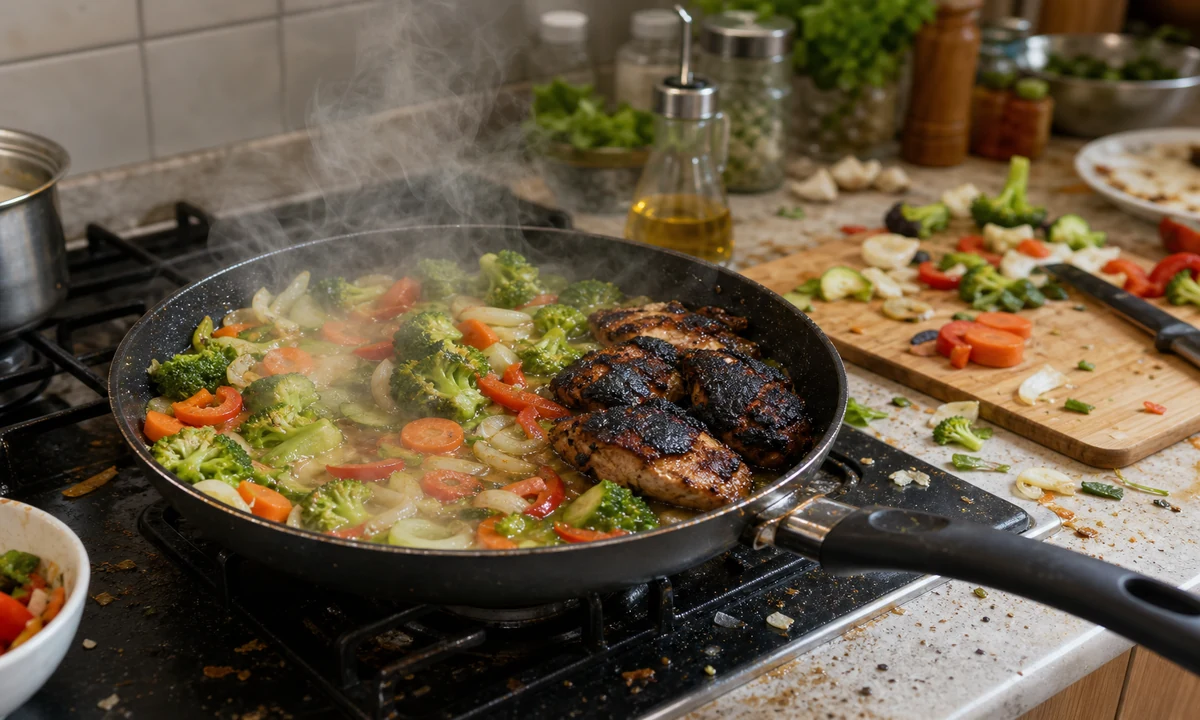 18
18The Most Common Cooking Mistakes and How to Avoid Them
Most frustrating dinners come from the same failures: cold pan, rushing prep, not tasting salt, or overloading heat. Recognizing them is the…
4 minStart reading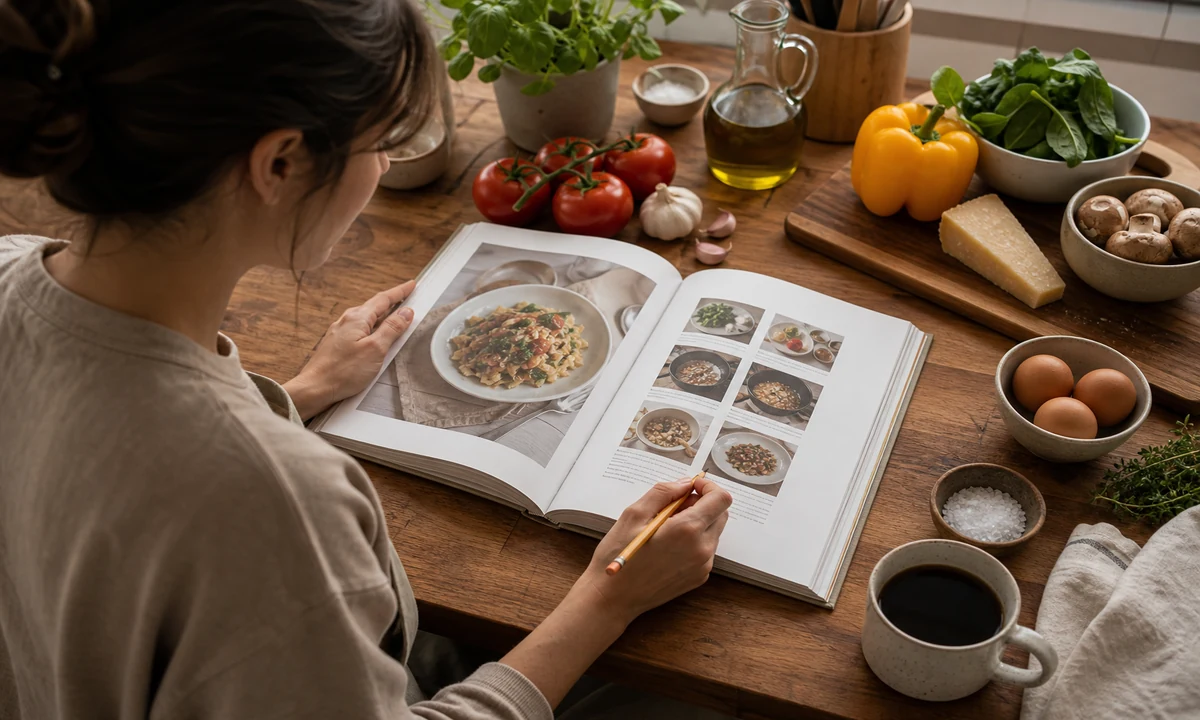 19
19How to Read a Recipe Before You Start Cooking
A recipe is a map, not a novel: scan it like planning a trip. Understanding structure, terms, and real workflow avoids surprises…
4 minStart reading 20
20Basic Tools for Learning Cooking Techniques
You do not need an entire kitchen store to learn well: a few versatile mid-quality tools beat drawers full of gadgets. Prioritize…
4 minStart reading
Advanced techniques
 21
21How to Make a Perfect Roux and What It Is For
A roux is one of the most versatile foundations of Western cooking: flour and fat cooked together to thicken sauces, bind stews,…
4 minStart reading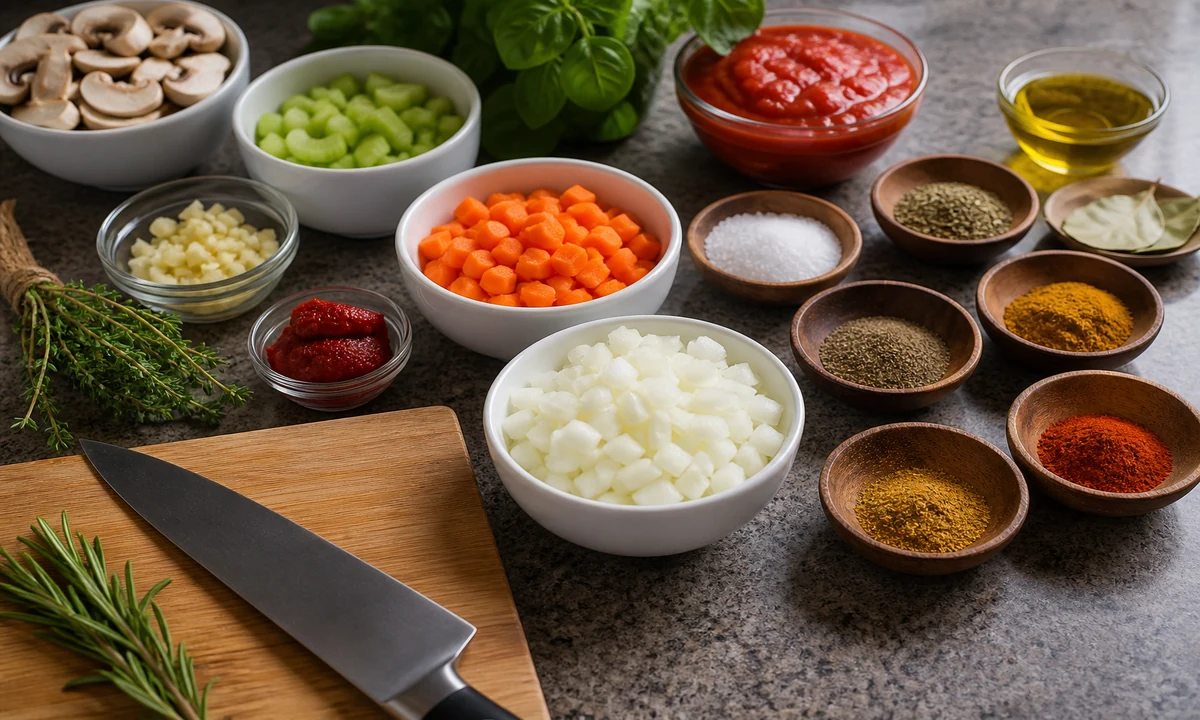 22
22What Mise en Place Is and How It Organizes Your Kitchen
Mise en place — "everything in its place" — is the professional habit of preparing, measuring, and arranging all ingredients and tools…
4 minStart reading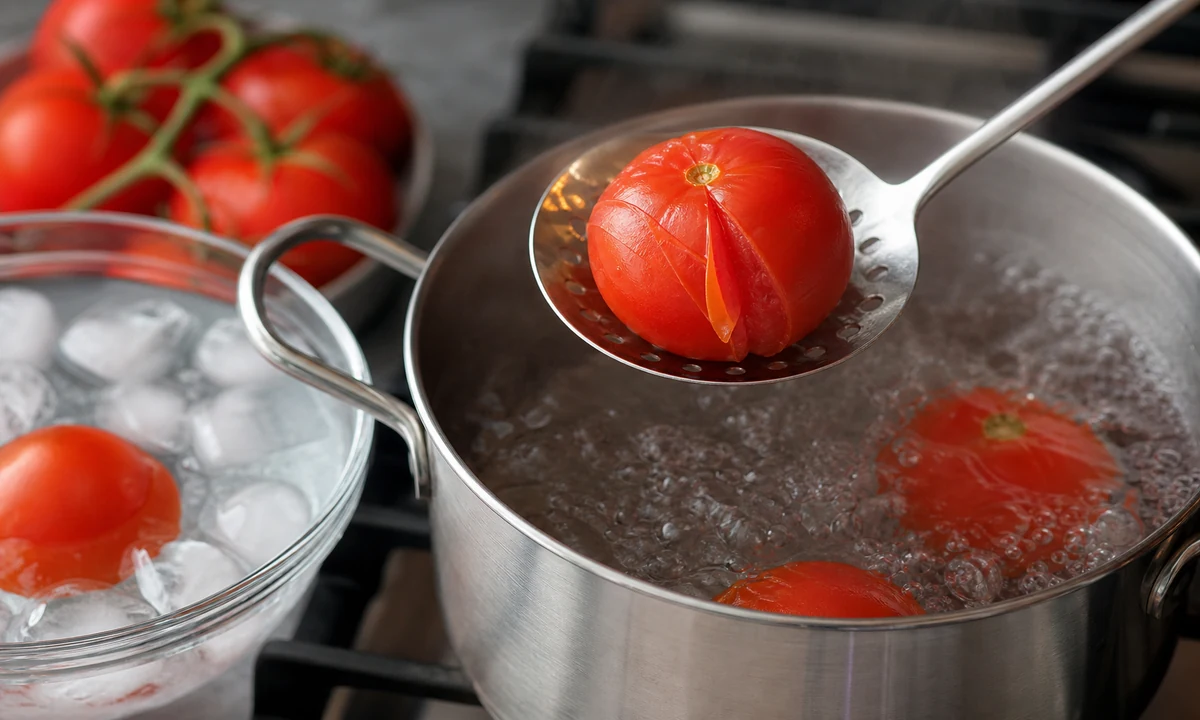 23
23How to Scald Foods Step by Step
Scalding means briefly submerging food in boiling water — or intense steam — and, almost always, shocking it in cold water. It…
4 minStart reading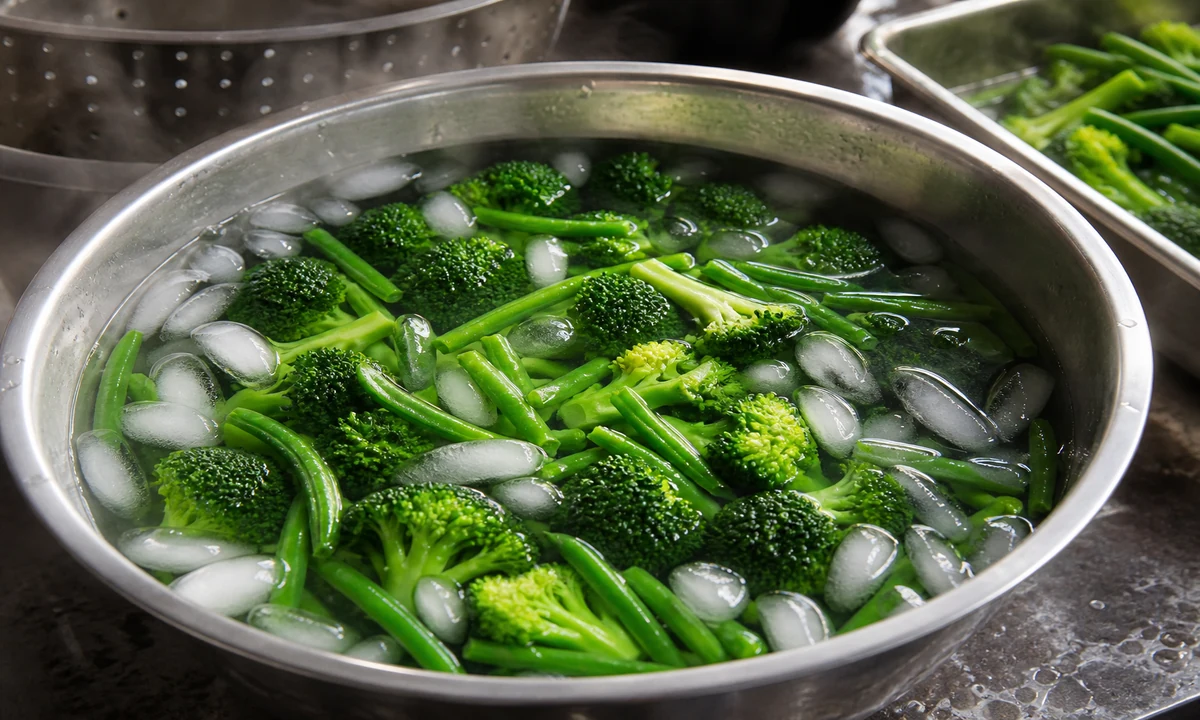 24
24How to Blanch Vegetables Correctly
Blanching means briefly cooking vegetables in salted boiling water and stopping the cooking in cold water. It is the technique that keeps…
4 minStart reading 25
25How to Confit Foods: Temperature and Timing
To confit is to cook food submerged in fat at low, steady temperature for a long time. The classic French technique transforms…
4 minStart reading 26
26How to Cook Sous Vide at Home
Sous vide — "under vacuum" — cooks food in sealed bags in a water bath at precise, steady temperature. At home, with…
4 minStart reading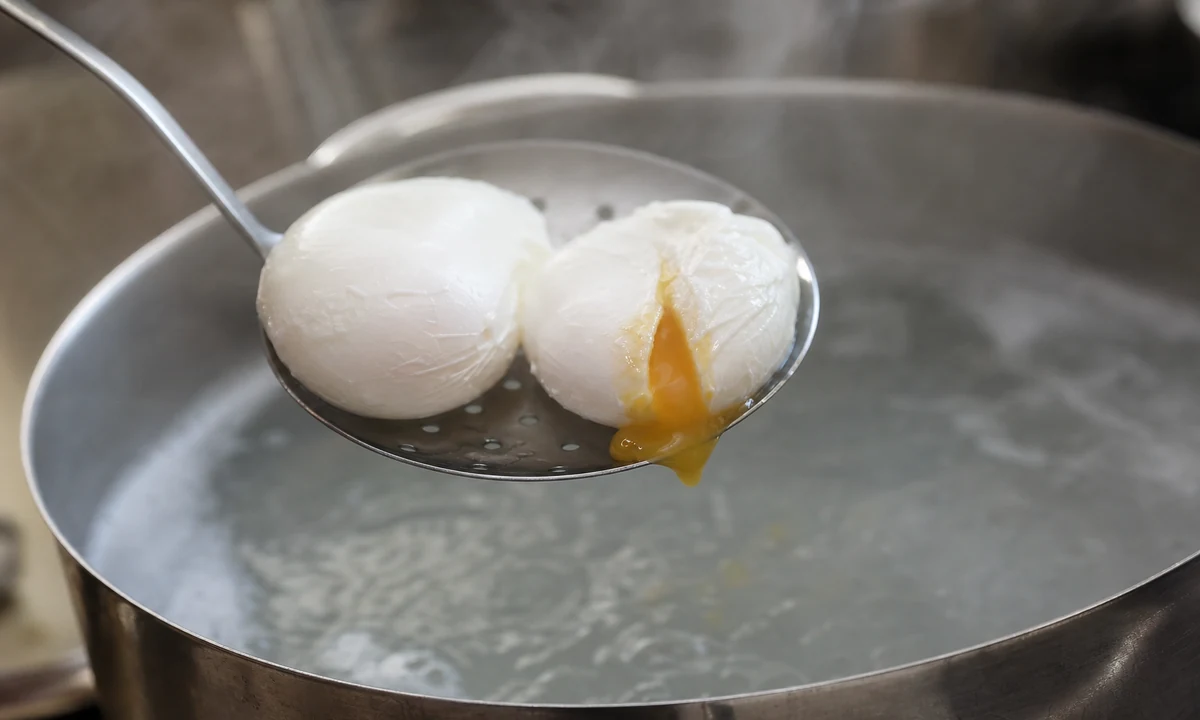 27
27How to Make Perfect Poached Eggs
A poached egg — firm white and runny yolk — intimidates many cooks, but with water at the right point, a splash…
4 minStart reading 28
28How to Marinate Meat and Fish to Boost Flavor
Marinating means leaving meat or fish in an aromatic liquid — acidic, salty, or spiced — so it absorbs flavor and, in…
4 minStart reading 29
29How to Macerate Foods: Differences from Marinating
Macerating means leaving foods — especially fruit — in sugar, alcohol, or spices so they release juice and concentrate flavor. Unlike marinating,…
4 minStart reading 30
30How to Caramelize Onions and Other Vegetables
Caramelizing means cooking vegetables — especially onions — slowly until their natural sugars brown and develop deep, sweet, complex flavor. It is…
4 minStart reading 31
31How to Reduce a Sauce to Concentrate Flavor
Reducing a sauce means evaporating water over low or medium heat to thicken liquid and concentrate flavors. It is one of the…
4 minStart reading 32
32How to Gratin Correctly in the Oven
Gratinating combines intense heat from above — broiler or very hot oven — with a top layer that browns and bubbles. It…
4 minStart reading 33
33How to Bread and Coat for a Crispy Finish
Breading and coating create a crisp layer that protects the interior — meat, fish, vegetables, or cheese — and adds contrasting texture.…
4 minStart reading 34
34How to Fry Without Food Absorbing Oil
Frying well does not mean eating greasy food. When temperature is correct and the surface is dry and protected, food forms a…
4 minStart reading 35
35How to Cook en Papillote Step by Step
Cooking en papillote — in sealed parchment or foil — uses steam generated inside to cook food gently and aromatically. It is…
4 minStart reading 36
36How to Prepare a Traditional Escabeche
Escabeche is a preservation and seasoning technique that combines prior frying or cooking with a marinade of vinegar, oil, garlic, and spices.…
4 minStart reading 37
37How to Cure Fish or Meat at Home
Curing — dry salt cure — draws out moisture and concentrates flavor through salt, sugar, and spices. At home you can make…
4 minStart reading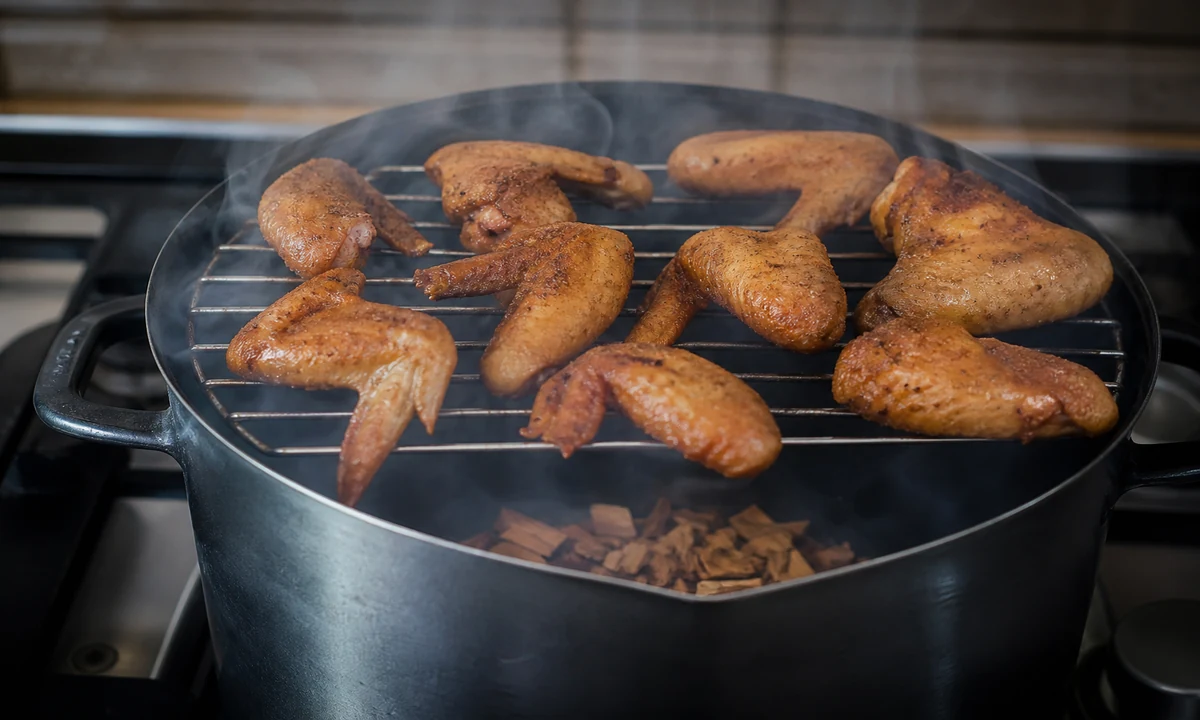 38
38How to Smoke Food at Home Without a Professional Smoker
Smoking at home is possible with a pot, a tight lid, and smoking material — wood chips, tea, or rice. It does…
4 minStart reading 39
39How to Debone a Chicken Step by Step
Deboning a whole chicken — or thighs and breasts — opens possibilities for stuffings, rolls, and even cooking. With a sharp knife…
4 minStart reading 40
40How to Carve Meat Like a Professional
Carving means cutting cooked meat into even slices while respecting grain and juiciness. A good cut elevates any roast: the difference between…
4 minStart reading